Home renovation projects require careful consideration of materials that balance visual elegance with dependable longevity. Kitchens and bathrooms serve as vital centers of daily activity, demanding surfaces capable of withstanding constant food preparation, moisture, and foot traffic. Selecting the right surface material can redefine the atmosphere of an entire residence, establishing a cohesive architectural tone while providing essential daily utility. While synthetic alternatives flood the modern marketplace, discerning property owners frequently return to natural geological surfaces for their unmatched permanence, tactile richness, and intrinsic prestige. Choosing the right material represents an investment in how a home feels, operates, and retains value across decades of continuous use.
1. Enhancing Interior Aesthetics
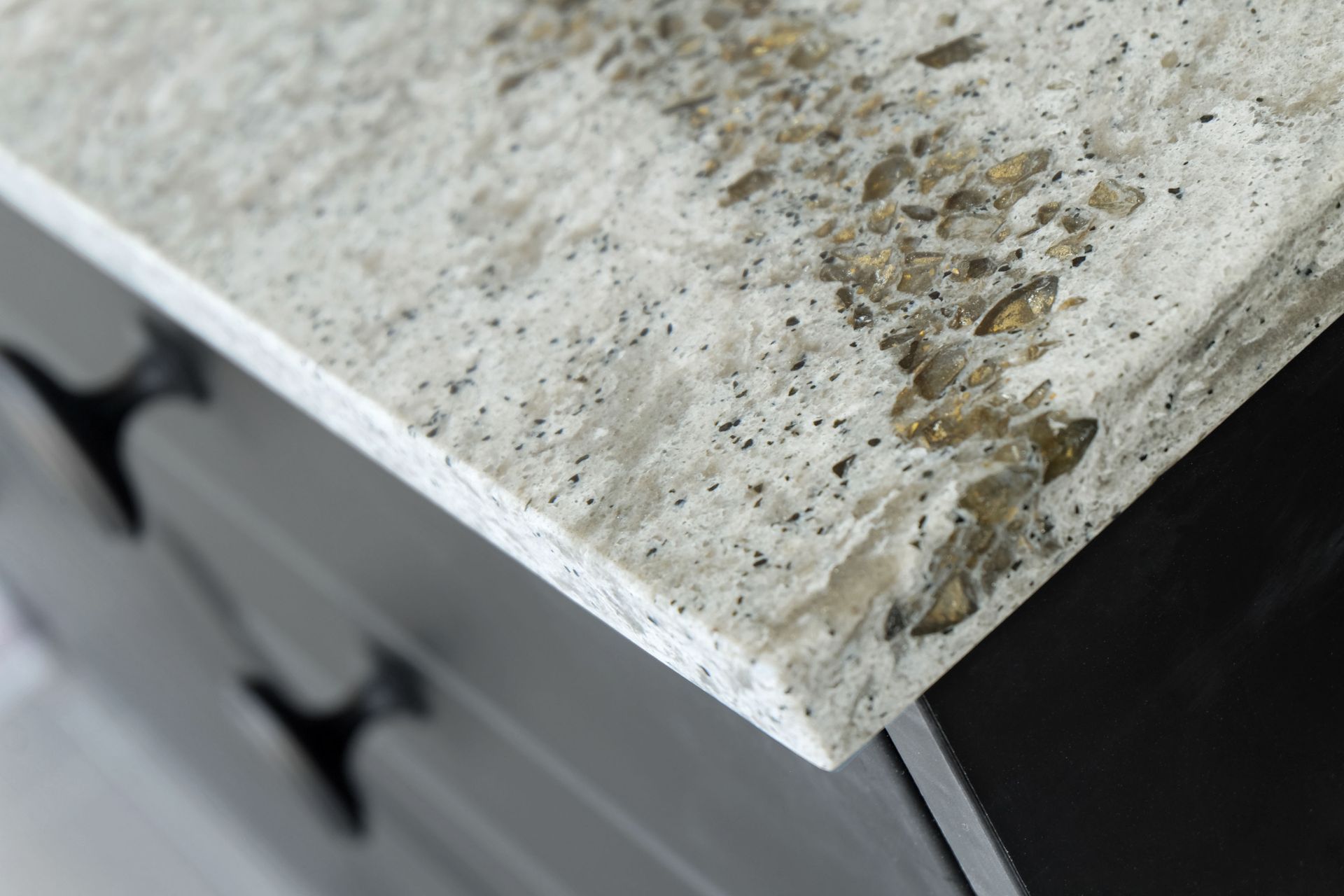
Natural stone surfaces bring an unmistakable sense of refinement to interior living spaces. Every slab harvested from geological formations possesses distinctive veining patterns, tonal shifts, mineral deposits, and crystallization formed over millions of years. This organic variation guarantees that no two residential installations are ever identical. Unlike engineered surfaces with repetitive printed patterns, quarried stone introduces organic movement and visual depth. Polished, honed, or leathered finishes further expand stylistic choices, allowing homeowners to highlight deep crystalline details, subtle matte textures, or dramatic contrasts against custom cabinetry.
According to Mordor Intelligence, granite holds the leading share of the global natural stone market at 31.02%, while marble is projected to be the fastest-growing stone type. This widespread popularity reflects a universal appreciation for authentic organic materials in residential design. Granite provides rich arrays of earthy minerals, flecks, and deep structural shades suitable for traditional and transitional spaces. Marble showcases graceful sweeping veins that effortlessly complement bright transitional aesthetics. Quartzite and soapstone deliver distinctive visual drama, bridging classical architectural forms with minimalist interior schemes.
Installing a premium stone surface also creates an unmistakable focal anchor for busy communal rooms. Kitchen islands, expansive peninsulas, and master bathroom vanities naturally draw the eye, serving as functional centerpieces during gatherings and daily routines. The substantial physical presence and reflective clarity of polished stone elevate surrounding cabinetry, hardware, and lighting fixtures into a cohesive visual composition. Rather than fading quietly into the background, a well-placed stone installation grounds the entire room, infusing living areas with warmth, luxury, and artistic distinction.
2. Maximizing Everyday Durability
Kitchen surfaces endure relentless mechanical and thermal stressors, including heavy cookware, sharp culinary cutlery, acidic liquids, and hot cooking vessels. The primary structural advantage of quarried stone lies in its immense structural density and compressive hardness. Igneous and metamorphic rocks like granite and quartzite resist scratches, surface gouging, and abrasions far better than laminate, solid surface composites, or standard wood butcher blocks. Preparing ingredients, sliding cast-iron skillets, and moving heavy appliances can occur with minimal risk of marring the finish.
Thermal stability is another defining benefit that sets dense stone apart from synthetic resin-bound products. Natural slabs formed under volcanic heat and subterranean pressure tolerate direct contact with hot cookware without blistering, melting, scorching, or releasing chemical fumes. While using trivets remains good practice to prevent localized thermal shock, the inherent heat resistance of natural stone provides cooks with peace of mind during fast-paced meal preparation. Slabs also exhibit exceptional impact resistance, absorbing accidental drops from heavy ceramic dishes or metal tools without chipping or cracking.
Resistance to liquid penetration is equally vital for preserving hygienic kitchen and bathroom surfaces. When properly sealed with modern impregnating treatments, natural stone forms a dependable barrier against staining from red wine, dark coffee, citrus juice, and cooking oils. Modern penetrating sealants enter the micro-capillary networks of the stone, shielding the inner core without altering the natural surface coloration. Simple preventative maintenance maintains this non-absorbent layer, keeping work areas clean, structurally sound, and resistant to moisture damage for decades.
3. Increasing Residential Investment Value
Real estate appraisals consistently confirm that strategic kitchen and bathroom renovations yield higher financial returns than nearly any other home improvement project. Prospective homebuyers actively seek out residences outfitted with premium architectural finishes, recognizing the significant functional and financial benefits they provide. Because remodeling kitchens involves substantial disruption and expense, properties featuring fully updated culinary spaces with premium stone surfaces regularly command higher asking prices and generate stronger competitive bidding environments.
Natural stone surfaces communicate an uncompromising dedication to craftsmanship, structural longevity, and luxurious design. Prospective buyers frequently perceive homes with laminate or worn synthetic surfaces as requiring immediate, costly renovations. When viewing spaces accented with granite, marble, or quartzite, buyers instead recognize move-in-ready convenience and lasting structural value. This positive impression accelerates sales cycles, reduces contingency negotiations, and helps properties stand out in competitive regional real estate markets.
The timeless nature of natural stone protects homeowners against rapidly shifting interior decorating fads. While manufactured synthetic designs and trendy composite patterns can feel dated within a few short years, authentic stone possesses a classic elegance that transcends cyclical design movements. Investing in a stone countertop secures long-term equity, allowing homeowners to enjoy high daily functional utility while reliably recouping substantial capital expenditures upon property resale.
4. Simplifying Daily Maintenance
Active families and busy professionals require residential surfaces that remain pristine without demanding complicated, labor-intensive cleaning rituals. Natural stone surfaces streamline daily household chores through straightforward, low-effort maintenance requirements. Routine care requires nothing more complex than a soft microfiber cloth, warm water, and a pH-neutral dish soap to clear away grease, dust, and food residue. Eliminating the need for harsh abrasive cleansers or specialized solvents saves valuable time while protecting the indoor air quality of the home.
Hygienic safety during culinary preparation is an essential standard for modern households. Non-porous engineered quartz and properly sealed natural stones prevent bacteria, mold, mildew, and common foodborne pathogens from embedding themselves deep beneath the surface. Smooth, continuous countertop expanses leave no crevices for organic matter to collect, simplifying sanitation after preparing raw poultry, meats, or seafood. Home cooks can knead dough, chop produce, and serve family meals on surfaces that support clean living and health-conscious food handling.
Long-term maintenance routines for natural stone surfaces are straightforward and infrequent. High-quality impregnating sealers require simple wipe-on, wipe-off applications only once every one to three years, depending on stone density and daily usage levels. Unlike synthetic materials that peel, blister, or crack beyond repair, natural stone surfaces can be professionally refinished, re-polished, or touched up decades after initial installation. This practical longevity ensures that ongoing ownership costs remain minimal while the material retains its original showroom brilliance.
5. Customizing Edge Profiles
Every architectural layout presents distinct spatial dimensions, workflow configurations, and aesthetic opportunities. Incorporating a stone countertop into a new build or existing layout offers extensive customization possibilities, beginning with tailored edge profiles. Homeowners can select from minimalist square eased edges, soft rounded bullnose profiles, or intricate classical ogee contours. For contemporary environments, mitered waterfall edges allow the stone veining to flow seamlessly over horizontal surfaces down to the floor, producing a dramatic, sculptural focal point.
Custom stone fabrication accommodates integrated plumbing and culinary accessories, further enhancing efficiency and visual cohesion. Sinks mounted beneath precisely cut stone cutouts eliminate raised rims, allowing crumbs and liquids to be wiped straight into the basin. Fabricators can also carve integrated sloped drainboards, custom cooktop cutouts, and flush-mounted electrical access directly into the slab. These tailor-made details produce a clean architectural landscape that optimizes kitchen ergonomics while showcasing the remarkable capabilities of professional stonecraft.
Whether your vision emphasizes the dramatic mineral crystallization of granite, the sweeping elegance of marble, or the sleek strength of quartzite, natural stone delivers permanent beauty that synthetic alternatives simply cannot replicate. Adding a stone countertop to your living space permanently elevates interior elegance while offering remarkable peace of mind during everyday use. For more information about the services that we offer, reach out to our incredible team at All In Stone, Inc today!